Lost requests
Important work enters through disconnected channels and becomes difficult to track.
AI-ready operational layer
FBOS transforms requests, conversations and operational work into structured workflows that humans and AI can understand, execute and improve.
The operational problem
Businesses operate through a fragmented combination of WhatsApp, email, spreadsheets, meetings, forms, multiple applications and people's memory. Every tool may work independently, but the operation between them becomes invisible.
AI cannot organize operational chaos.
Operations come first. AI comes second.
Important work enters through disconnected channels and becomes difficult to track.
Teams depend on individual memory, informal follow-up and repeated clarification.
Duplicated work, slow response and missing history prevent the operation from improving.
The operational layer
FBOS is a lightweight Operational Layer that connects the way work enters a business with the people, processes and systems responsible for executing it. It does not need to replace everything your company already uses. FBOS creates an operational structure around the work.
One operational layer. Many ways to operate.
Flow-based operations
An Action carries the context required to operate: state, responsible person, comments, files, approvals, pricing when applicable, timestamps, transitions and history.
Work enters from the channel where it naturally happens.
The business decides what this action is and what it requires.
Responsibility becomes explicit instead of assumed.
The Action advances through the real operational flow.
As the Action moves, FBOS creates Operational Memory.
Flow becomes the source of truth.
CASOS REALES
Cada solicitud se vuelve una acción con seguimiento y cierre.
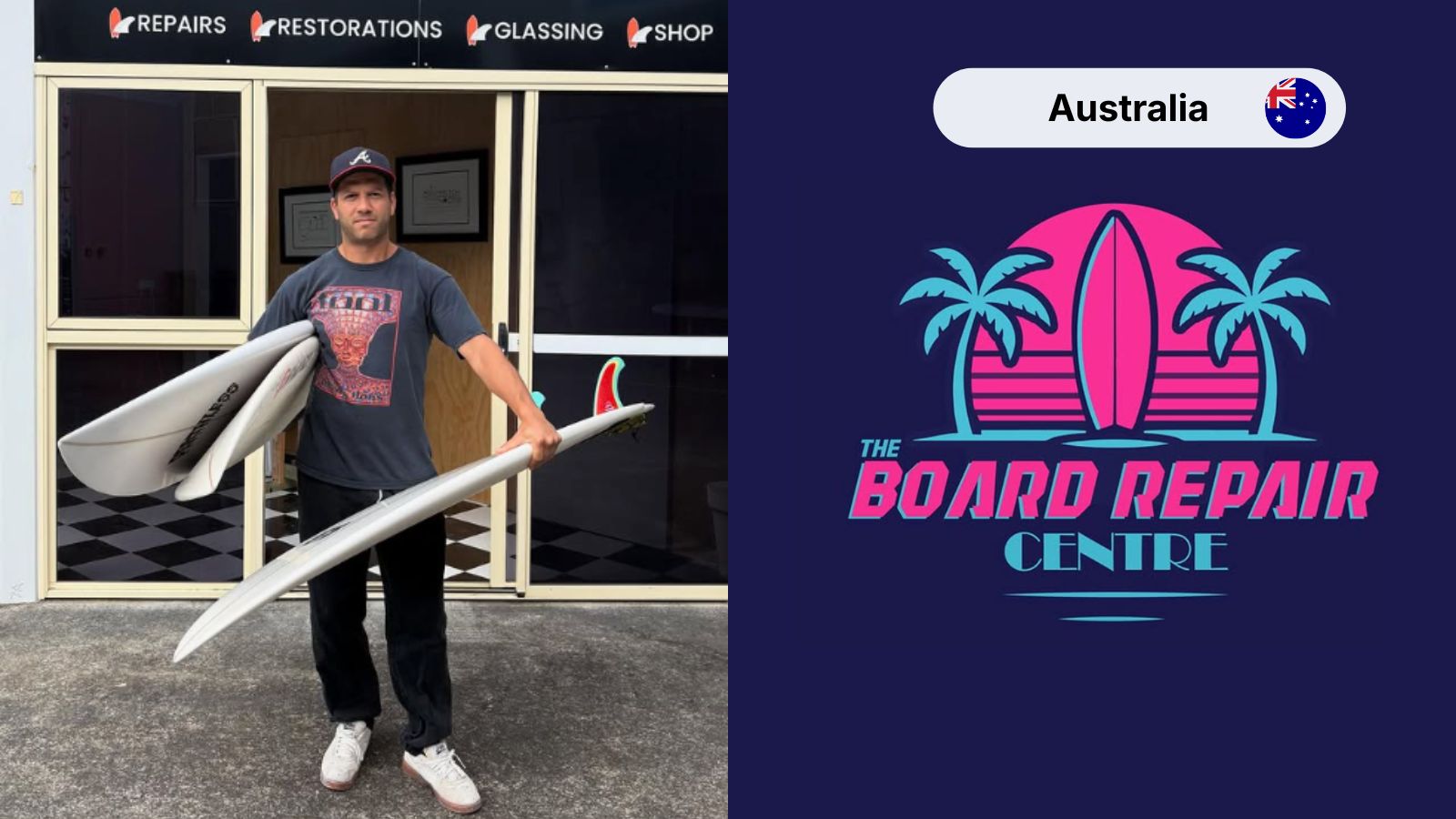 Gestión de talleres
Caso de uso: Taller de reparación en Australia
Solicitudes, presupuestos y evidencias en un solo tablero.
Solicitar Demo Service Desk
Caso de uso: Administración de propiedades en Panamá
Incidencias, proveedores y trazabilidad para equipos de gestión.
Solicitar Demo Gestión de flota
Caso de uso: Flota de vehículos para granja avícola en Venezuela
Reportes, mantenimiento y cierre con historial por vehículo.
Solicitar Demo Media Kit
Caso de uso: Atleta José Joaquín López
Colaboraciones, marcas y solicitudes comerciales en seguimiento.
Solicitar Demo One-pager
Caso de uso: Paseos en bicicleta en Carolina del Norte, USA
Landing ligera conectada a intake y seguimiento de leads.
Solicitar Demo Fábrica Sri Lanka
Caso de uso: Fábrica de tablas en Sri Lanka
Órdenes, producción y aprobaciones con continuidad operativa.
Solicitar Demo Fábrica Jacó
Caso de uso: Fábrica en Jacó, Costa Rica
Órdenes, producción y aprobaciones con continuidad operativa.
Solicitar Demo Consultoría
Caso de uso: De Sousa Consulting
Diagnóstico, seguimiento comercial y próximos pasos claros.
Solicitar DemoImplementation models
Not every business needs the same implementation. FBOS can start small, become a complete operational system or work as a layer connecting infrastructure that already exists.
Ideal for requests, forms, intake, lightweight operations, simple workflows and customer-facing operational pages.
For operations requiring custom workflows, roles, permissions, multiple canvases, business rules, pricing, approvals, reporting and integrations.
The system adapts to the operation. The operation should not adapt to the software.
FBOS can operate above or between ERP, CRM, accounting, inventory, legacy applications, APIs, cloud and on-premise systems.
You don't have to replace everything. You need to make everything operable.
The AI transition
Adding AI to fragmented software doesn't automatically create intelligent operations. AI needs structured operational context: what happened, what state something is in, who is responsible, what happened previously, what actions are allowed and what should happen next.
Fragmented tools remain fragmented. The model can assist, but the operation is still difficult to see.
FBOS structures the operational context intelligent systems need.
Before AI can operate your business, your business must become operable.
AI-ready by design
FBOS naturally structures actions, states, transitions, responsibilities, history, operational context, workflows and intent. This makes business operations progressively accessible to intelligent systems.
Structured operations become AI-visible operations.
Controlled intelligence
Humans operate and make decisions.
AI analyzes operational context and recommends actions.
AI can execute defined actions under human oversight.
AI assists with optimization, orchestration and reasoning within explicit boundaries.
Automation is earned through operational clarity.
Modular by design
FBOS is built from operational primitives that can be reused across different businesses without rebuilding every workflow from zero.
Build faster. Operate consistently. Scale without rebuilding everything.
FBOS Academy
FBOS Academy is built around Operational Thinking + FBOS Implementation. The goal is to train people to analyze real operations and convert messy business processes into visible, executable systems.
One course. Real operational cases. A practical framework for turning business friction into flow.
Become an FBOS ImplementerWhy FBOS exists
FBOS emerged from years of building and implementing digital systems for real businesses.
Across e-commerce, service operations, customer requests, fleet management, coaching and custom business workflows, the technology changed — but the underlying problem kept repeating.
Important work entered through forms, messages, spreadsheets, emails and conversations. People became the integration layer. Teams depended on memory. Software stored information, but the operation between systems remained difficult to see.
What is the simplest way to turn all of this into a visible operational flow?
That question became FBOS. Not another system designed to force businesses into predefined software. A framework where the software adapts around the way work actually moves.
Software should adapt to operations. Not the other way around.
Where FBOS is going
Structured actions, visible workflows, operational memory and reusable components.
Better summaries, recommendations, operational analytics and decision support.
AI interaction with defined operational actions and human-supervised execution.
Specialized operational agents, role-aware execution and cross-system coordination.
Humans, systems, automations and intelligent agents inside the same structured environment.
FBOS is building the operational layer between businesses and intelligent systems.
The FBOS Manifesto
Work should become executable Actions, not simply more stored information.
The operational state should show what is happening now.
Complexity should only exist when the operation truly requires it.
Operations happen where people work, not only behind desks.
The business owns its operational information and must retain portability and control.
Systems should evolve by adding capabilities, not rebuilding everything.
Automation should solve demonstrated operational friction, not exist for its own sake.
Operational systems should speak the language of the people using them.
Every component added to FBOS should increase clarity or reduce operational disorder.
Primer contacto
Completa el formulario con tus datos básicos. Revisaremos tu información y nos pondremos en contacto contigo para una primera conversación sobre tu negocio y cómo FBOS podría ayudarte.